
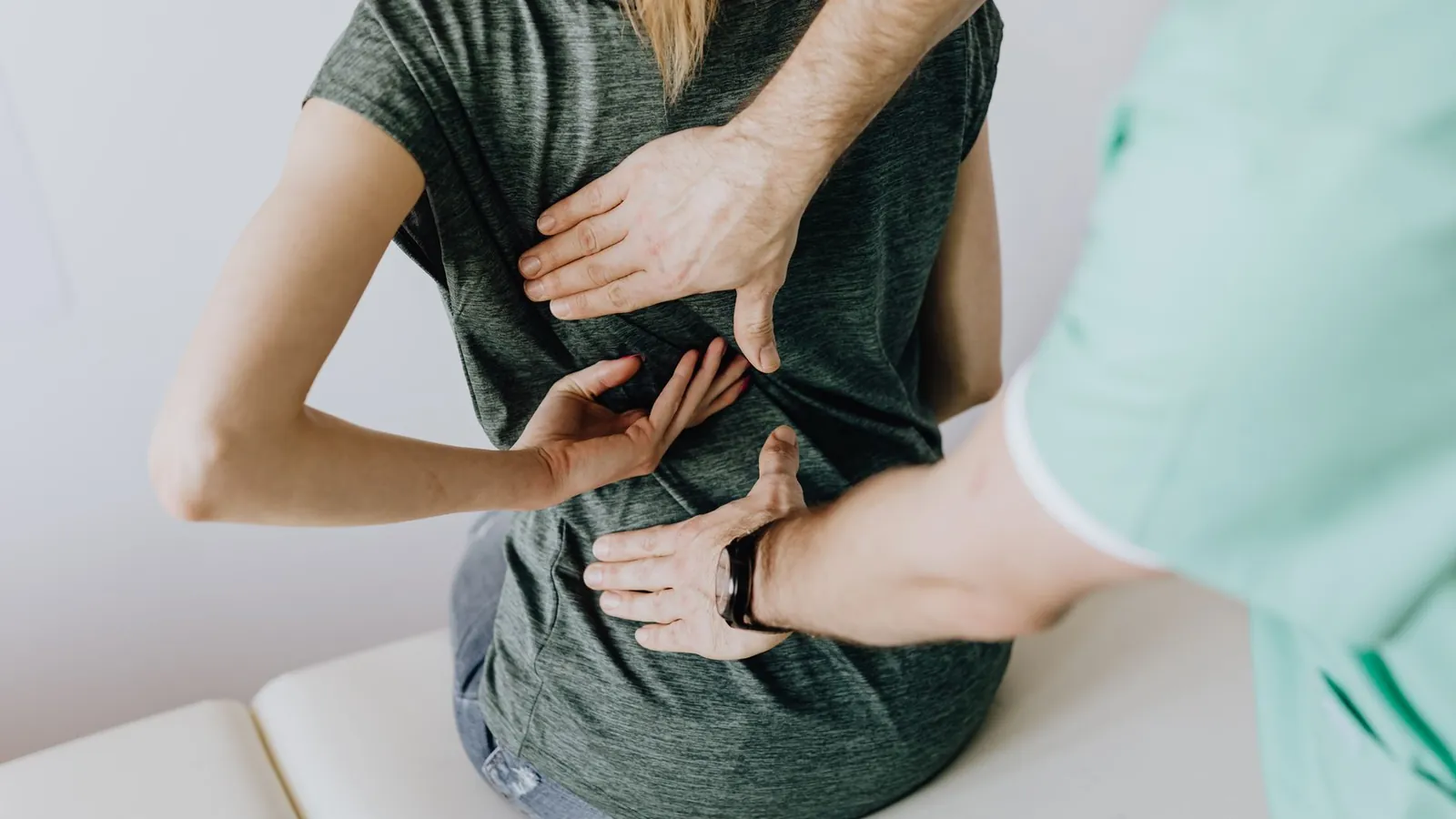
Lower back pain is the single most common reason patients call us. The good news, which rarely makes it into the panic-Googling stage, is that the large majority of episodes settle within six weeks. What you do in the first two weeks has an outsized effect on how comfortable those weeks are, and on whether the pain becomes a recurring visitor.
Here is what we actually recommend at the bedside, and why.
Keep moving, carefully
The old advice was bed rest. We now know that prolonged rest makes things worse: the supporting muscles decondition quickly, and the longer you stay still, the more threatening ordinary movement starts to feel.
That does not mean pushing through sharp pain. It means:
- Walking short distances often: five to ten minutes, several times a day
- Changing position every 30 minutes rather than holding one posture
- Continuing daily activities at a reduced intensity instead of stopping them
If a movement causes a sharp, shooting sensation, back off. Dull, familiar aching that settles within a few minutes is usually fine to work through.
Heat, ice, and what the evidence says
Both help, and neither is a cure. In practice:
| Best for | How long | |
|---|---|---|
| Heat | Muscle spasm, stiffness, the first few days | 15–20 min |
| Ice | Sharp, inflamed pain after a specific strain | 10–15 min |
Use whichever genuinely feels better on your back. The comfort is real, and comfort makes it easier to keep moving, which is the part that actually drives recovery.
The exercises worth doing
Two weeks of gentle, consistent mobility beats one heroic session. We usually start patients on pelvic tilts, knee rolls and a walking programme, then progress to loading work once the acute irritation settles. Those exact movements, sequenced and dosed, are in our lower back pain starter set.
The goal in week one is not strength. It is convincing your nervous system that movement is safe again.
When to call someone
Please get assessed promptly if you notice any of these:
- Pain radiating below the knee, with numbness or weakness
- Any change in bladder or bowel control
- Unexplained weight loss or fever alongside the back pain
- Pain following a significant fall or accident
These are uncommon, but they change the plan entirely.
Most people do not need a scan, and most do not need surgery. What they need is a clear-eyed assessment of which structures are irritated and a programme that progressively loads them again, which is precisely what a proper assessment is for.