
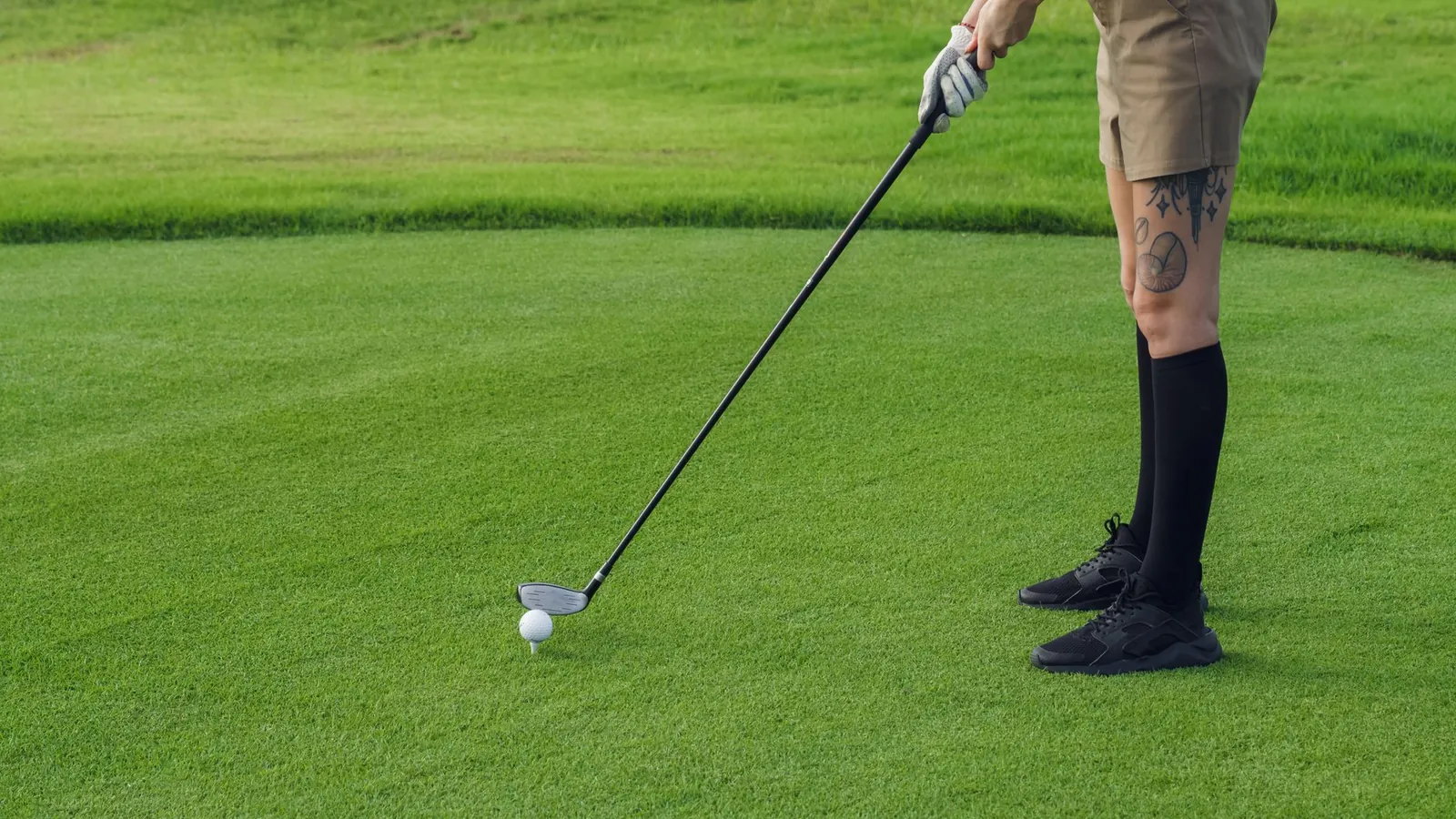
Pain on the inner side of the elbow, on the bony bump you can feel when you bend your arm. It bites when you grip something, carry shopping, or turn a screwdriver. Most people who have it have never held a golf club.
The proper name is medial epicondylalgia, and it is the mirror image of tennis elbow: the same problem, the same mechanism, the same treatment, on the other side of the joint.
What is going on
The muscles that bend your wrist and fingers converge into a common tendon that attaches to the bony bump on the inside of the elbow, the medial epicondyle.
Every time you grip, those muscles contract. Every time they contract, they pull on that attachment. Ask for more than the tendon can currently tolerate and the collagen becomes disorganised, thickened and less able to handle load.
As with tennis elbow, the "itis" in the old name is misleading. There is very little inflammation in a persistent case, which is why anti-inflammatories disappoint and why the answer is rebuilding capacity rather than calming things down.
Does this sound like yours?
- Pain over the bony bump on the inner side of the elbow
- Worse gripping, especially with the wrist bending downwards
- Carrying bags, wringing cloths, using tools, swinging a racquet or club
- Sore to press directly on the bump
- Sometimes an ache spreading down the inner forearm
- Grip strength reduced, occasionally dropping things
- Morning stiffness in the forearm that eases within minutes
A quick self test: straighten your elbow, turn your palm up, and try to bend your wrist downwards against resistance from your other hand. Reproducing the pain at the bony bump points strongly at this tendon.
The complication: the ulnar nerve
The ulnar nerve runs in a groove immediately behind that same bony bump. This is the nerve you hit when you bang your funny bone.
It is irritated often enough alongside golfer's elbow, or instead of it, that distinguishing the two changes what you should do.
| Tendon problem | Ulnar nerve problem | |
|---|---|---|
| Sensation | Ache and sharpness on gripping | Tingling, pins and needles, numbness |
| Where it travels | Vaguely down the forearm | Into the little finger and half the ring finger |
| Worse with | Gripping, wrist flexion | Elbow bent for long periods, leaning on the elbow, sleeping with the arm folded |
| At night | Occasionally sore | Frequently wakes you with numb fingers |
| Grip | Painful | Weak, sometimes clumsy |
Numbness or tingling in the little finger side of the hand means the nerve is involved, and that needs a different plan. Persistent numbness or visible wasting of the hand muscles should be assessed promptly rather than managed at home.
Why it started
- A load spike. A weekend of DIY, a new job with manual handling, a heavier training block
- Repetitive gripping, particularly with the wrist bent downwards
- Technique or equipment changes. Grip size, tool handles, a new racquet
- Returning after a break at your previous workload rather than building up
- Reduced capacity, from a period of inactivity or simply from age
- Neck involvement. Nerve irritation from the neck can lower the tolerance of forearm tendons and slow recovery. Worth considering if you also have neck stiffness or any tingling
What actually helps
Modify rather than stop. Reduce the aggravating grip loads: carry with the palm up, use two hands, fit thicker handles, take the strain off for a fortnight. You are lowering the daily total so the tendon has room to adapt.
Load it deliberately. This is the treatment. Start with isometric holds: resist wrist flexion gently for 30 to 45 seconds, five repetitions, once or twice a day. These often reduce pain for a couple of hours afterwards.
Progress to slow, heavy resistance. Wrist flexion with a light dumbbell, three seconds up and three seconds down. The technique mirrors our wrist extension guide, which trains the tennis elbow side, with the palm facing up rather than down.
Rebuild grip. Since gripping is what provokes it, gripping is what has to be retrained, gradually.
Expect months. Six to twelve weeks of consistent loading is realistic. Discomfort of two or three out of ten during the exercise is fine. Worse the next morning means the dose was too high.
If the nerve is involved, avoid sustained elbow bending, do not lean on your elbow, and try sleeping with the arm straighter. Gentle ulnar nerve glides can help, and unlike the tendon work, they should never be pushed into symptoms. Our median nerve glide guide explains the principle, though the specific technique differs for the ulnar nerve.
Worth less than it sounds
Corticosteroid injection gives short term relief and worse outcomes at a year than doing nothing, a finding that is consistent for tennis elbow and applies here. Rarely a first step.
Straps and braces reduce pain during activity for some people. A useful aid while you load, not a treatment.
Stretching alone feels productive and does not build capacity.
What else it might be
- Ulnar collateral ligament injury, in throwing athletes, with instability rather than just pain
- Cervical radiculopathy, referred from the neck, usually with neck symptoms
- Cubital tunnel syndrome, the ulnar nerve compressed at the elbow, as above
- Referred pain from the shoulder, less common but worth checking
Get it assessed if
You have numbness or tingling in the little finger, weakness or clumsiness in the hand, any visible wasting of the muscles between the thumb and index finger, the elbow locks or gives way, pain followed a fall, or you have been loading sensibly for three months with no change.
Otherwise this responds well to the same honest, unglamorous approach as its counterpart on the outside of the elbow: reduce the provoking load, load it properly, and give it long enough for tendon tissue to actually change.